



Ventilation air grille diffuser
air vent manufacturer since 2002


 Vairtech
  2026-01-10


When it comes to maintaining comfort in your home, understanding how to properly manage your HVAC system is crucial. One of the most frequently asked questions is whether AC vents should be open or closed. This decision can impact your home’s cooling efficiency, energy consumption, and overall comfort. In this comprehensive guide, we’ll explore the pros and cons of keeping your air vents open or closed and provide expert advice to help you make the best choice for your home.
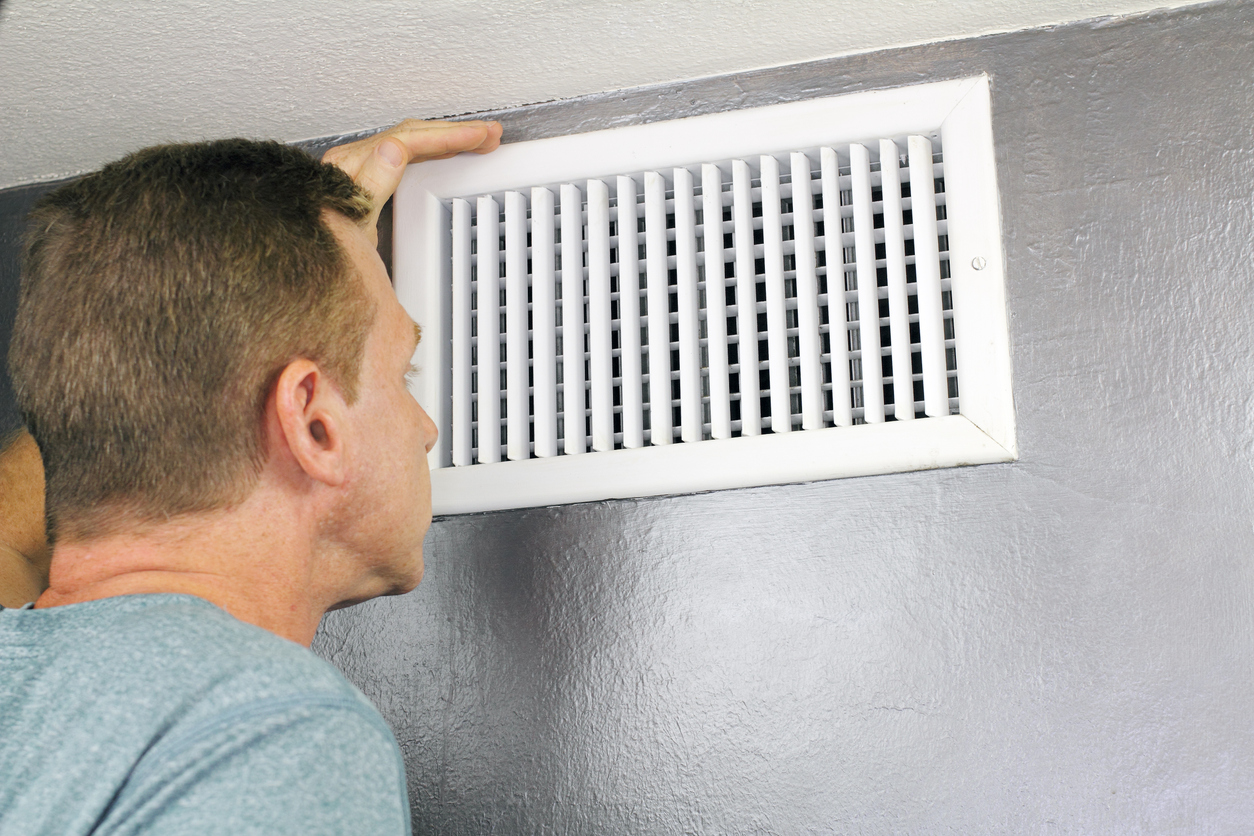
Air vents are the outlets through which your HVAC system distributes cooled or heated air throughout your home. These vents can typically be adjusted to control the airflow, and in some cases, they can be completely closed off. Knowing how to manage these vents properly can lead to a more efficient and comfortable living environment.
One of the primary considerations when deciding whether to keep your air vent open or closed is the impact on your HVAC system’s efficiency. Here are some key points to consider:
Open Vent: Keeping your air vents open allows for a more balanced distribution of air. This can help your HVAC system operate more efficiently since it doesn’t have to work as hard to maintain the desired temperature. An open vent ensures that all rooms receive an adequate amount of air, preventing the system from overworking.
Closed Vent: Closing vents in unused rooms might seem like a good way to save energy, but it can actually have the opposite effect. When you close a vent, it increases the pressure in the ductwork, causing your HVAC system to work harder to push air through the remaining open vents. This can lead to increased energy consumption and potentially damage the system over time.
Open Vent: Open vents help maintain a consistent temperature throughout your home. This is particularly important if you have a multi-story house, as closing vents on one level can lead to uneven heating or cooling. By keeping vents open, you ensure that each room stays at a comfortable temperature.
Closed Vent: If you close vents in certain rooms, those areas can become significantly hotter or colder than the rest of the house. This can create discomfort and may lead to issues such as mold growth due to the lack of proper ventilation. Additionally, closed vents can cause the HVAC system to cycle on and off more frequently, reducing its efficiency.
It’s essential to know the status of your vents to manage your home’s airflow effectively. Here’s how to determine if a vent is open or closed:
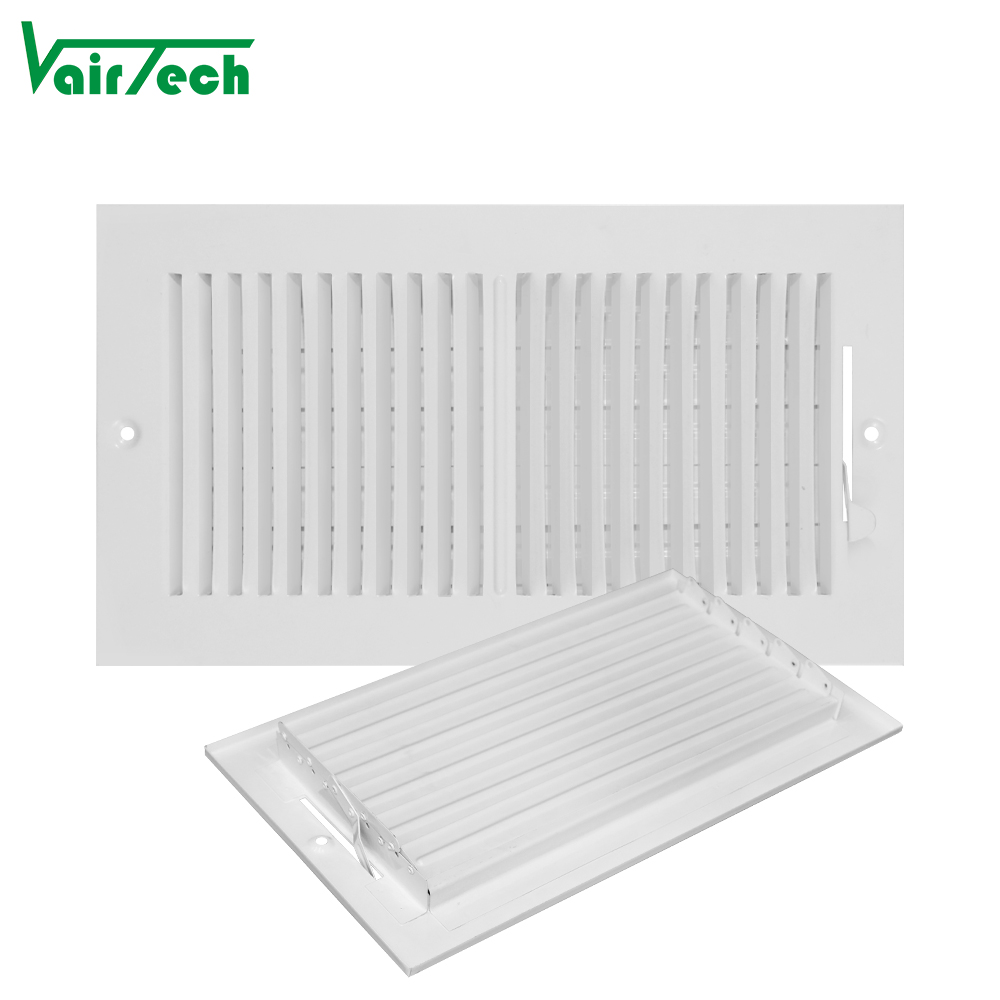
Visual Inspection: Most vents have adjustable louvers that you can see. If the louvers are parallel to the floor or wall, the vent is open. If they are perpendicular, the vent is closed.
Airflow Check: Hold your hand in front of the vent to feel for airflow. If you feel air coming out, the vent is open. If there is no airflow, the vent is likely closed.
Experts generally recommend keeping your air vents open to ensure optimal performance of your HVAC system. Here’s why:
There are a few common misconceptions about managing air vents that we need to address:
In summary, keeping your air vents open is generally the best practice for maintaining an efficient and comfortable home environment. Closed vents can lead to increased energy consumption, uneven temperatures, and potential damage to your HVAC system. By understanding the impact of open and closed vents and following expert advice, you can ensure your home stays comfortable year-round.
24-hour service hotline

Add: Room1804, 8thFloor, 1st Building, Guang Fo Future Town, 85 Lingnan Road, Dali Town, Nanhai District, Foshan City, Guangdong Province, China